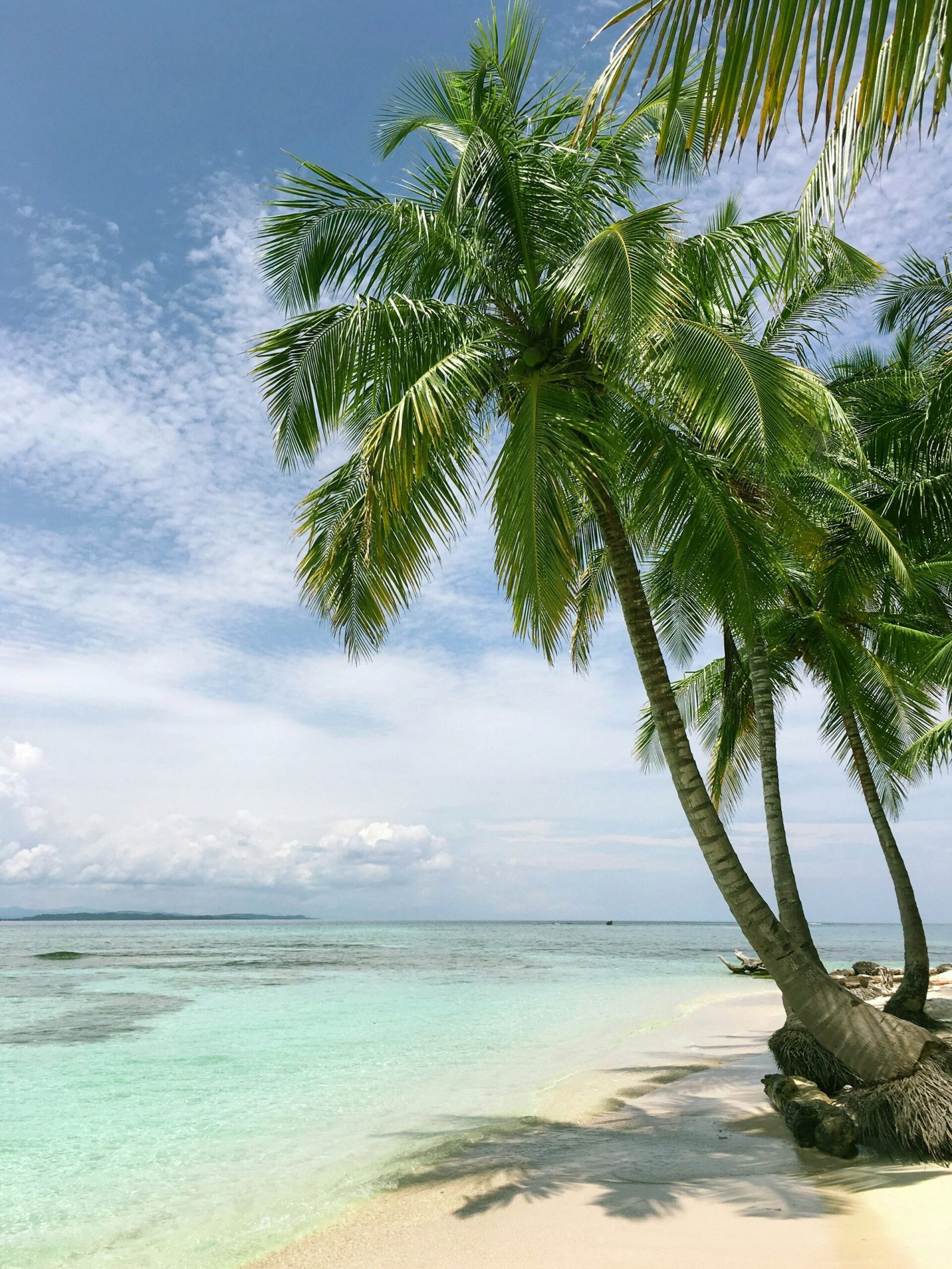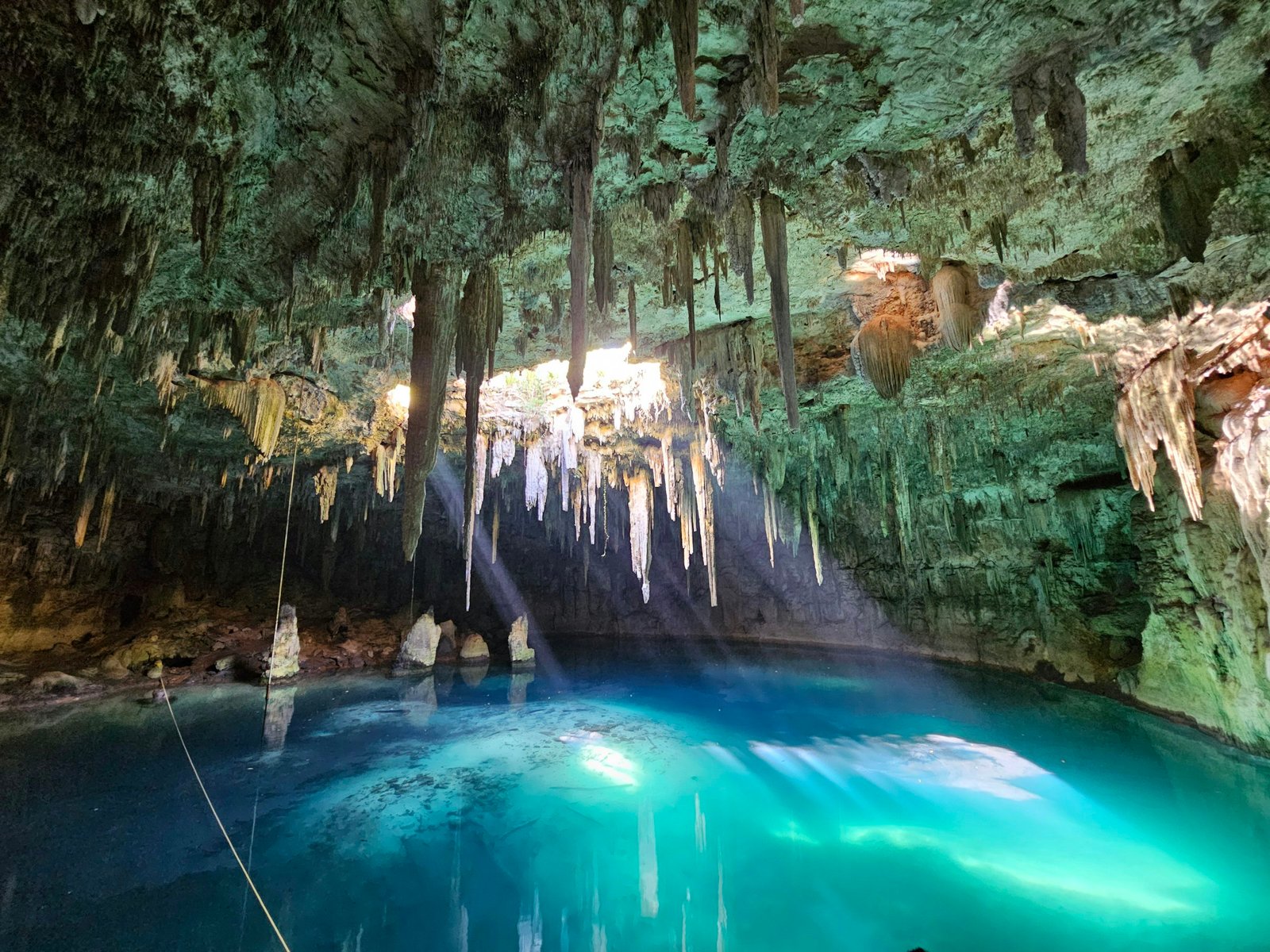
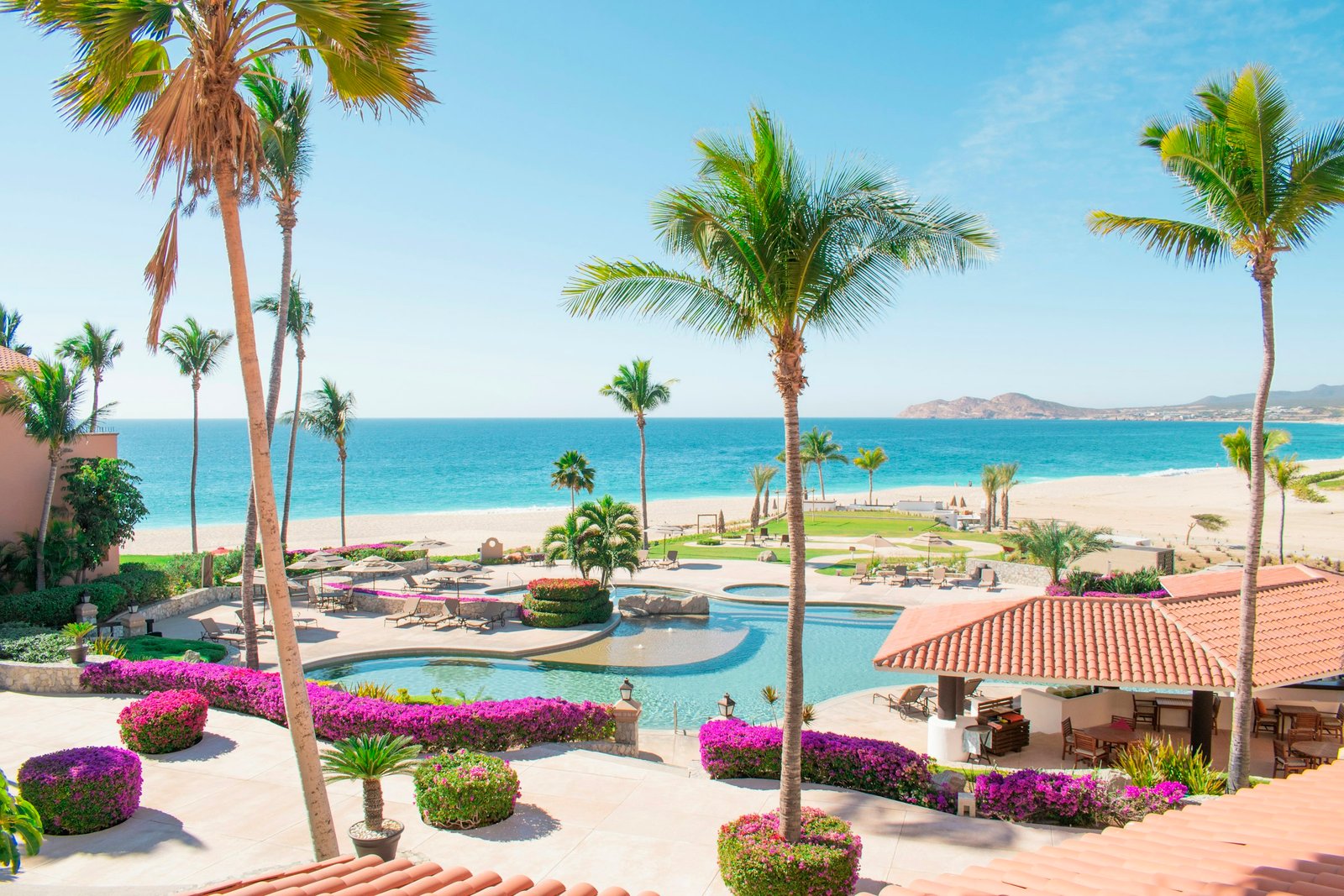
Boutique Hotels in Playa del Carmen: What You’re Actually Paying For

“Boutique” gets slapped on a lot of hotel listings in Playa del Carmen, and it doesn’t always mean much. Sometimes it just means small. If you’re trying to decide whether a boutique property is the right call for your trip, it helps to know what the label should mean and what to actually check before you book.

What “boutique” actually means here

In Playa del Carmen, a boutique hotel usually means a small property — often under 30 rooms — with a distinct design identity, a more personal level of service, and a location that’s walkable rather than resort-isolated. You’re trading the water parks, multiple restaurants, and big pool complexes of an all-inclusive for something smaller and more individual. Staff tend to know guests by name, and the design usually reflects a specific aesthetic instead of a chain template.

That said, “boutique” isn’t a regulated term. Some properties use it loosely to describe any independent hotel, regardless of size or style. It’s worth looking past the label at the actual room count, the photos, and recent guest reviews.

Who boutique hotels suit

  • Couples and solo travelers who want quiet and character over kids’ clubs and buffets.
  • Anyone who wants walking access to Quinta Avenida, restaurants, and the beach rather than being centered around an isolated resort compound.
  • Travelers who prefer flexibility — eating out at different restaurants each night instead of being locked into one property’s dining.
  • People who value design and atmosphere as part of the trip, not just a place to sleep.

They’re less of a fit if you want an all-inclusive package with everything covered upfront, or if you’re traveling with a larger group that needs multiple connecting rooms and full resort infrastructure.

What to check before booking a boutique stay

Because boutique hotels are small and independent, the details matter more than they would at a big chain. A few things worth confirming directly with the property before you book:

  • Room count and layout. Small hotels sometimes have limited room types, so check exactly what you’re booking, not just the property photos in general.
  • What’s included. Some boutique properties include breakfast or beach access, others don’t. Don’t assume — confirm with the listing or the hotel directly.
  • Location relative to the beach and Quinta Avenida. “Steps from the beach” can mean different things. Check the actual address against a map.
  • Noise and privacy. Small boutique hotels close to the main strip can be lively; ones set back a few blocks are usually quieter. If you’re sensitive to street noise, ask before booking.
  • Pricing and cancellation terms. Rates and policies vary by season and by property — check current pricing and cancellation terms directly on the listing or with the hotel rather than relying on general guides.

Two boutique options in Playa del Carmen

Coco Beach Reef House is a boutique property in the Coco Beach area, a quieter residential stretch north of the main downtown strip — a good fit if you want easy beach access without being in the middle of the Quinta Avenida crowds.

Casa Playacar Boutique sits in Playacar, the gated residential zone just south of downtown known for its tree-lined streets and calmer atmosphere, while still being a short walk or golf-cart ride from the beach and downtown.

Both are worth a look on their listing pages for current room details, photos, and what’s included — that information is more reliable coming straight from the property than from general descriptions.

Bottom line

A boutique hotel in Playa del Carmen is the right call if you want character, a personal touch, and a walkable location over the scale of an all-inclusive resort. Just don’t take the word “boutique” at face value — confirm room count, inclusions, exact location, and pricing directly on the listing before you commit.
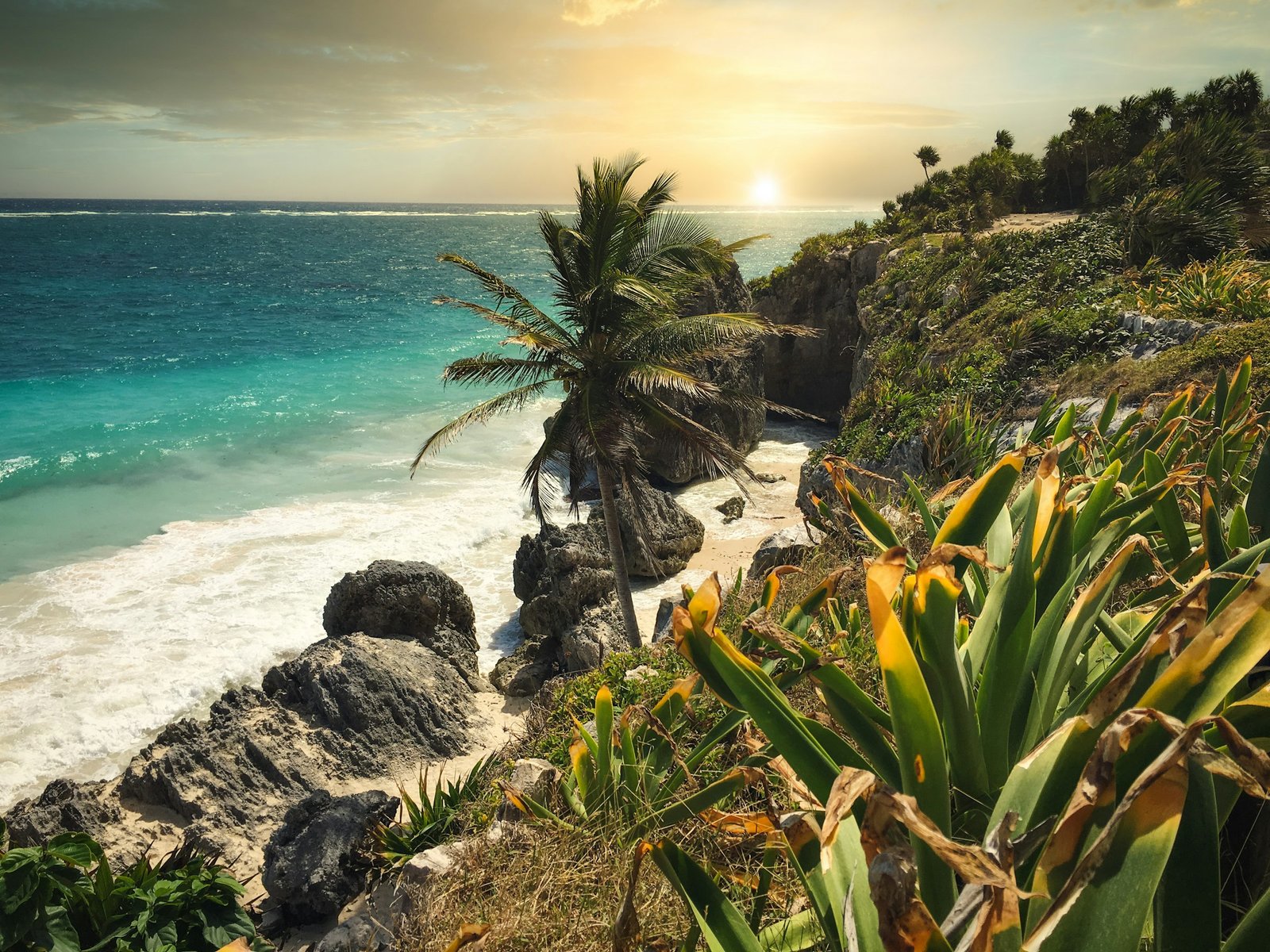
Riviera Maya Coast: A Practical Guide to This Hotel Area

If you’re comparing hotel areas for your trip and “Riviera Maya Coast” keeps coming up, here’s what you actually need to know before you book. This isn’t a resort brand — it’s a stretch of coastline south of Cancun that runs through Playa del Carmen and down toward Tulum, and the name gets used loosely by booking sites to describe properties anywhere along it. That makes it easy to book something without a clear picture of where you’ll actually be staying.

What “Riviera Maya Coast” Actually Means

The Riviera Maya is the umbrella term for the Caribbean coastline of Quintana Roo, covering everything from Puerto Morelos down through Playa del Carmen, Puerto Aventuras, Akumal, and Tulum. When a listing says “Riviera Maya Coast,” check the exact address or map pin before assuming it’s walkable to a town center — some properties are set on quieter beach stretches between towns rather than inside Playa del Carmen itself.

This matters for planning because the experience varies a lot depending on where along the coast you land:

  • Properties inside Playa del Carmen tend to put you closer to Fifth Avenue, restaurants, and the ferry dock to Cozumel.
  • Properties along quieter coastal stretches usually mean more beach and less foot traffic, but longer taxi or rental car rides for nightlife or grocery runs.
  • Distances to the airport, ferry, and downtown vary by property, so transfer times and distances directly with whichever hotel you book.

Who This Area Suits

Coastal stretches outside the town center generally suit travelers who want beach time and a slower pace over walkable nightlife. If you want to be able to stroll to dinner and shops every night, look closely at whether your specific property sits inside town or on a more remote section of coast. If you’re renting a car or comfortable with taxis/rideshare, the tradeoff matters less.

Two Properties Worth a Look

If you’re weighing options in this area, two listings worth comparing are the Coco Beach Reef House and the Riviera Coast Family Resort.

Coco Beach Reef House leans toward a smaller, beach-house feel — worth considering if you’re after a quieter stay rather than a full-service resort setup. Check the listing for current room configurations and what’s included, since amenities can change season to season.

Riviera Coast Family Resort is positioned as a family-oriented option, which is useful if you’re traveling with kids and want on-site amenities rather than relying on nearby restaurants and activities. As with any resort, confirm directly what’s included in your specific rate — whether meals, activities, or kids’ programs are bundled in or charged separately before you book.

Questions to Ask Before You Book

Because “Riviera Maya Coast” isn’t a single defined neighborhood, do a bit of due diligence before committing:

  • Get the exact address or map location, not just the area name, so you know your real distance to town, the airport, and attractions.
  • Ask about transportation — is there a shuttle, and if not, what’s the typical cost and time for a taxi into Playa del Carmen? this directly with the property since it changes by exact location.
  • Confirm current pricing and any resort fees directly on the listing page or with the property — rates shift by season and availability. before booking.
  • If beach access matters to you, ask whether it’s direct beachfront or a short walk, and whether there’s natural beach or an imported-sand setup, since this varies along the coast.
  • If safety is a concern, ask the property directly about on-site security and the immediate surroundings — any specific safety claims with the hotel rather than assuming based on the general area’s reputation.

Getting There

Most travelers fly into Cancun International Airport and then transfer south by shuttle, rental car, or taxi. Travel time depends heavily on exactly where along the coast your hotel sits, so the transfer time and cost with your specific property rather than going off general Riviera Maya estimates, which can be misleading for properties outside the main town.

Bottom line: “Riviera Maya Coast” is a real stretch of coastline with real appeal — beaches, a slower pace, proximity to Playa del Carmen and Tulum — but it’s not a single defined hotel district. Pin down the exact location, transportation options, and what’s included before you book, and you’ll avoid surprises once you land.

5th Avenue (Quinta Avenida): The Complete Guide to Playa del Carmen’s Main Strip

If you’ve read anything about Playa del Carmen, you’ve already heard about 5th Avenue — La Quinta, as locals call it. It’s the pedestrian street that runs parallel to the beach through the heart of town, packed with restaurants, shops, bars, and a big share of the city’s hotels. Staying near it is less a “neighborhood choice” and more a decision about how close you want to be to the action.

What staying near 5th Avenue is actually like

Quinta Avenida is the walkable spine of Playa del Carmen. Depending on where along it you’re based, you can be steps from restaurants and nightlife, or a short walk from the beach entrances that cut across from the avenue to the sand. It’s lively pretty much all day and into the night — street performers, vendors, tour operators, and a steady flow of foot traffic are part of the package. If you want quiet and stillness, this isn’t that strip. If you want to walk out your door and have dinner, shopping, and beach access all within a few blocks, it’s hard to beat.

Noise level varies a lot by exact location and floor. Blocks closer to Constituyentes and the ferry pier tend to be busier and louder than the quieter stretches further south or north. If noise is a dealbreaker for you, it’s worth checking a property’s exact cross-street and asking about room placement before booking.

Who this area suits

  • First-time visitors who want everything walkable — restaurants, tours, shops, nightlife — without needing a car or many taxis.
  • Travelers who plan to spend more time exploring town and eating out than lounging poolside all day.
  • People catching the ferry to Cozumel, since the pier sits right at the north end of the avenue.
  • Couples and groups who want an easy home base for evenings out.

It suits families too, but if you have young kids and want a calmer pace between outings, it’s worth weighing a slightly quieter stretch of the avenue, or a hotel set one or two blocks back from the busiest sections.

What to expect from hotels in this area

Properties directly on or just off Quinta Avenida range from small boutique hotels to adults-only retreats to larger suite-style stays. Because the street is narrow and dense, don’t expect sprawling resort grounds — you’re trading space and quiet for location. Many hotels here lean into that trade-off with rooftop terraces, small plunge pools, or breakfast spots rather than big pool decks.

Two examples worth a look if you want to stay right in this area:

  • Quinta Sunset Adults-Only Retreat — an adults-only option for travelers who want proximity to the avenue without a family-resort atmosphere.
  • Quinta del Mar Suites — a suites-style stay for anyone who wants more room to spread out while still being close to the strip.

Check each listing for current room types, exact location, and rates, since pricing and availability shift with season.

Tips for choosing where on the avenue to stay

  • Check the cross-street, not just “5th Avenue.” The avenue runs many blocks; a hotel “on Quinta” near Calle 38 has a very different feel than one near Calle 12.
  • Ask about noise directly. If a hotel can tell you which side of the building faces the street versus an interior courtyard, take the courtyard room if quiet matters to you.
  • Confirm beach access distance. The avenue itself isn’t beachfront — you’ll walk a block or more east to reach sand, and the distance varies by which cross-street you’re near.
  • Decide how much walking you actually want. The strip is long. Staying near the middle keeps most restaurants and the beach within an easy walk in either direction.

Getting around from here

You won’t need a car if you’re based on or near 5th Avenue. Taxis and colectivos (shared vans) are easy to find along the parallel streets for day trips outside town, and the ADO bus station is within walking distance for trips to Tulum, Cancún, or the airport. Within Playa itself, walking covers almost everything you’d want on a typical trip.

Bottom line

Staying near Quinta Avenida makes sense if convenience and walkability matter more to you than quiet or resort-style grounds. Pin down the exact block, ask about room placement for noise, and check current details directly on the listing before you book.

Playacar: A Practical Guide to Playa del Carmen’s Gated Hotel Zone

If you want beach access and a resort feel without staying miles outside of town, Playacar is worth a look. It’s the gated community and hotel zone that sits just south of downtown Playa del Carmen, right across from the ferry terminal and the start of Fifth Avenue. That location is Playacar’s main selling point: you get a calmer, more residential setting, but you’re still a walkable (or quick cab) distance from the shops, restaurants, and nightlife on Fifth Avenue.

What kind of area is Playacar?

Playacar is primarily a planned, gated development with golf-course frontage, private villas, and a cluster of hotels and all-inclusive resorts near the beach. It’s designed to feel separate from the busy downtown grid — wider streets, more greenery, and a slower pace. If you’ve read that Playacar is “quieter” or “more upscale” than staying right on Fifth Avenue, that generally lines up with the area’s layout and intent, though how quiet any specific block feels will depend on the property and time of year .

The area is split roughly into two halves: a beachfront strip with hotels and resort-style properties, and an inland residential section built around the golf course. Most visitors booking a Playacar stay for a vacation are looking at the beachfront or near-beachfront properties.

Getting around

  • To Fifth Avenue / downtown: Playacar sits right at the southern end of Fifth Avenue, so many hotels are walkable to downtown — though the walk length varies a lot depending on where in Playacar you’re staying, since the zone is fairly large.
  • To the ferry / Cozumel: The passenger ferry terminal for Cozumel is right at the edge of Playacar, which is convenient if a day trip or island stay is part of your plans.
  • Getting around Playacar itself: Because it’s a gated, spread-out development, expect to rely on walking within your resort, plus taxis or rideshare for anything further inside the zone or back to town, especially at night.

Who Playacar makes sense for

Playacar tends to suit travelers who want:

  • A resort or all-inclusive style stay rather than a boutique downtown hotel
  • Beach access without booking directly on the busiest stretch of Fifth Avenue
  • A gated, more residential feel — useful for families or anyone prioritizing a quieter base
  • Easy access to the Cozumel ferry for an island day trip

If your priority is being in the middle of the action — walking out the door straight into restaurants, bars, and shops — you may prefer a hotel directly on or near Fifth Avenue instead. Playacar is a short trip from that energy, not in the middle of it.

Where to stay in Playacar

Options in the area range from smaller boutique-style properties to larger resort hotels. Two to look at:

  • Playacar Garden Inn — a more low-key, garden-set option inside the Playacar development.
  • Casa Playacar Boutique — a smaller boutique property in the same area, worth a look if you’re after something more intimate than a large resort.

Check each listing directly for current room types, amenities, and rates, since pricing and availability change seasonally .

A few practical notes

Playacar is a gated area, and some sections (particularly the residential/golf side) are patrolled or access-controlled — expect this to affect how you move around if you’re staying somewhat inland versus right on the beach [VERIFY, since access rules can vary by property and change over time]. If beach walkability and being car-free are top priorities, ask your hotel directly how far your specific building is from both the sand and Fifth Avenue before booking — “Playacar” as a name covers a fairly large footprint, and distances within it vary more than the name might suggest.

Bottom line: Playacar is a solid pick if you want a resort-style, beach-adjacent stay that’s still close enough to walk into downtown Playa del Carmen when you want to. It’s less of a fit if you want to be right in the middle of Fifth Avenue’s restaurant and bar scene from the moment you step outside.

Cenotes Near Playa del Carmen: A Practical First-Timer’s Guide

If you’re planning a trip to Playa del Carmen, cenotes are probably already on your list — and for good reason. These natural freshwater sinkholes are one of the few things in the Riviera Maya you genuinely can’t get anywhere else. This guide covers what cenotes are, how tours typically work, and how to pick the right one for your trip.

What Is a Cenote, Exactly?

A cenote is a natural sinkhole formed when limestone bedrock collapses, exposing groundwater below. The Yucatán Peninsula sits on porous limestone with almost no surface rivers, so cenotes were historically the main freshwater source for the region — some were also considered sacred by the ancient Maya. Today they range from open, sunlit pools to cave systems you swim or dive through with a guide.

Water clarity and temperature are a big part of the appeal, since rainwater is filtered through limestone before reaching the cenotes. Beyond that, any specific claims about water temperature or visibility should be confirmed with your tour operator, since conditions can vary by cenote and season.

Snorkeling vs. Diving: Which Should You Book?

Most visitors choose between two experience levels:

  • Snorkeling — no certification needed, good for families and casual swimmers, usually done in the more open sections of a cenote.
  • Diving — for certified divers who want to explore deeper cavern or cave sections, including the famous underwater tunnel systems.

A good example of a tour built around both options is the Cenote Dos Ojos diving and snorkeling tour. Dos Ojos is one of the better-known cenote systems in the area, and this kind of tour is worth considering if you want to compare the two experiences or aren’t sure yet which one you’d prefer. Confirm certification requirements, group size, and included gear directly on the listing before booking.

Combining Cenotes With Other Sights

If you’re short on time or don’t want to dedicate a full day to just cenotes, a combo tour is worth a look. The Tulum ruins and cenote combo tour pairs a cenote swim with the Tulum archaeological site, which sits right on the coast and is one of the more accessible ruins in the region since you don’t need a long inland drive to reach it. This kind of pairing works well if you’re trying to fit culture and nature into the same outing rather than booking two separate day trips.

What to Pack and Prepare For

  • Biodegradable sunscreen — many cenotes restrict or ban regular sunscreen and bug spray to protect the water. Check the specific policy for your chosen cenote before you go.
  • Water shoes — some cenote entry points are rocky or slippery.
  • A change of clothes and a dry bag — you’ll be wet, and some sites have limited changing facilities.
  • Cash — for entrance fees, lockers, or extras that may not be included in a tour package. Confirm what’s included versus what’s paid on-site with your specific tour.
  • Basic swimming comfort — even “easy” cenotes involve swimming in open water, sometimes over areas where you can’t touch the bottom.

Booking Tips

A few practical things to sort out before you commit to a tour:

  • Check whether transportation to and from Playa del Carmen is included, since many cenotes are inland and not walkable from a hotel.
  • If you’re not a certified diver, make sure you’re booking the snorkeling option rather than assuming diving tours can accommodate you.
  • Ask about group size if you’d prefer a quieter, less crowded experience.
  • Confirm current pricing, tour duration, and cancellation policy directly with the operator, since these details change and shouldn’t be assumed from general guides.

Cenotes are one of the easiest “must-do” items to build a Playa del Carmen itinerary around, whether you’re squeezing in a single afternoon swim or combining it with a ruins visit. Start by deciding whether you want the diving, snorkeling, or combo-tour route, then confirm the logistical details — transportation, gear, and cost — directly with the tour listing before you book.

Cruise Ship in Playa del Carmen? Here Are the Best Shore-Friendly Tours

If you’re coming in on a cruise ship, your day in Playa del Carmen runs on a strict clock. You don’t have the luxury of an open-ended afternoon — you need to know exactly how long a tour takes, how far it is from the pier, and whether there’s any real risk of getting back late. This guide walks through what “cruise-friendly” actually means for tour planning here, and which options are worth considering when your time in port is limited.

What Makes a Tour Cruise-Friendly

Not every tour in the Playa del Carmen area is a good fit for cruise passengers. The ones that work best share a few traits:

  • A clear, predictable duration — you should know going in whether you’re looking at a half-day or something longer.
  • Reasonable proximity to the pier, or transportation that’s factored into the tour itself.
  • A structured itinerary, rather than something that depends on unpredictable variables like weather delays or long waits.

Always confirm the exact pickup time, return time, and location directly with the tour operator before booking — these details can change and are the single most important thing to get right when you’re working around a ship’s departure.

Build In a Buffer

The single biggest mistake cruise passengers make is booking something that technically fits the time window on paper, with zero room for error. Traffic, group pace, and transfer times can all eat into your margin. As a general rule, don’t book a tour that’s scheduled to end within an hour or two of your ship’s all-aboard time — give yourself a real cushion. Check your specific ship’s boarding cutoff time, since this varies by cruise line and itinerary.

Tours Worth Considering

If you’re looking for something that combines a real Playa del Carmen or nearby experience without an all-day commitment, a few options stand out:

  • If you want to get in the water without a long boat ride, the Cozumel snorkeling catamaran tour is worth a look. Since it involves a ferry crossing to Cozumel, double-check the full round-trip timing against your ship’s schedule before you book — this is exactly the kind of tour where a buffer matters most.
  • For travelers who want a taste of Maya history plus a swim, the Tulum ruins and cenote combo tour packs two stops into one outing. It’s a good option if you want more than a beach day but still need to be back at a set time.
  • If you’d rather do something more active, the ATV jungle and cenote adventure is a shorter, high-energy option for travelers who want an adrenaline hit without committing the whole day.

Confirm current pricing and exact departure times for each of these directly on the listing page or with the operator, since these details can change seasonally.

Questions to Ask Before You Book

Before you commit to any tour on a cruise day, it helps to ask a few direct questions:

  • What time does the tour start, and what time does it end?
  • Where exactly is pickup, and how far is that from where the ship docks?
  • What happens if the tour runs long — is there a stated policy for getting cruise passengers back on time?
  • Is transportation included, or do you need to arrange your own way to and from the meeting point?

Get answers to these in writing (email or booking confirmation) rather than relying on a verbal assurance, especially for anything involving a ferry crossing like the Cozumel trip.

A Simple Way to Plan Your Day

Start with your ship’s all-aboard time and work backward. Subtract at least an hour for getting back to the terminal and through security, then subtract your buffer time, and whatever’s left is your real window for a tour. If a tour doesn’t comfortably fit inside that window with room to spare, it’s not the one for your port day — save it for a future trip when you’re staying in Playa del Carmen longer.

Cruise days don’t have to mean sitting at a beach club near the pier if you’d rather see more of the area. With the right tour and a little planning around the clock, you can fit in a real excursion and still make it back to the ship without any stress.