Scuba Diving in Playa del Carmen: A Practical First-Timer’s Guide
Playa del Carmen sits on one of the most talked-about stretches of coastline for diving in Mexico, and it’s the kind of place where you can genuinely do two very different types of diving in the same week: open-water reef dives in the Caribbean and freshwater cenote dives just inland. If you’re planning a trip and scuba diving is on your list, here’s what actually matters when you’re deciding what to book.
Reef diving vs. cenote diving
These are not the same experience, and it helps to know the difference before you pick a tour.
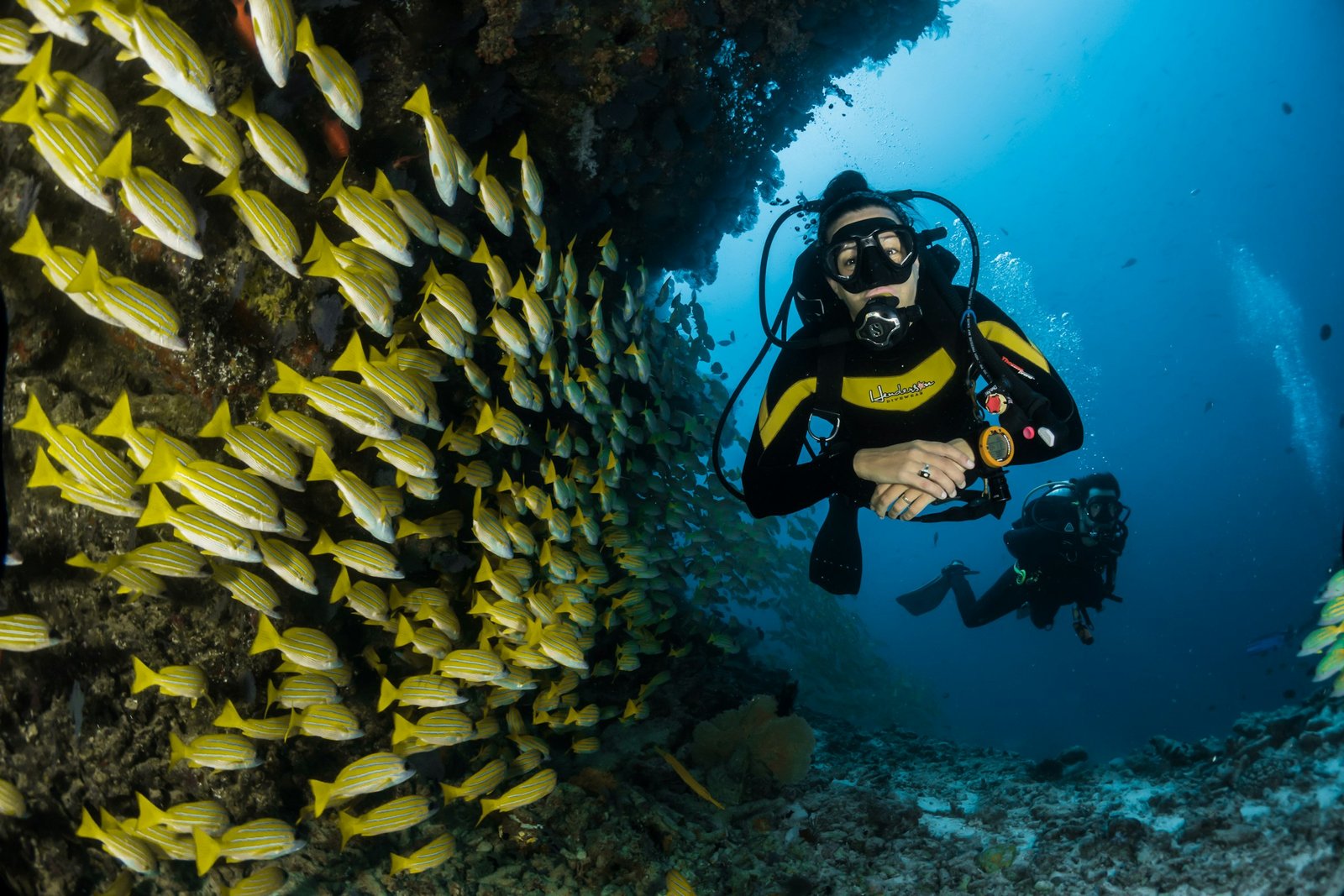
- Reef diving takes place in the open Caribbean, usually along the barrier reef system that runs past Playa del Carmen and nearby Cozumel. Expect current, saltwater, and the usual reef life — this is what most people picture when they think “scuba diving in Mexico.”
- Cenote diving happens in freshwater sinkholes further inland, where visibility and lighting create a very different kind of dive — calmer water, no current, and a more enclosed, cavern-like feel in some sites. [VERIFY: specific visibility conditions and whether any given cenote site is open-water cavern or requires cave certification — this varies by site and should be confirmed with the operator before booking.]
If you only have time for one, think about what kind of dive you actually want: drifting along a reef, or the stiller, more otherworldly feel of a cenote.
Certification and experience level
Scuba is not a walk-in activity — nearly every operator will ask about your certification level (Open Water, Advanced, or none at all) before confirming a booking. If you’re not certified:
- Ask whether the tour offers an introductory or “discover scuba” style dive for non-certified divers. [VERIFY: not every tour accepts uncertified divers, and depth/site limitations for beginners should be confirmed directly with the operator.]
- If you are certified, bring your certification card (physical or digital) — most shops will ask to see it.
- Log your recent dive experience if you have it. Shops sometimes use this to decide which sites are appropriate for you, especially for cenote dives with any overhead component.
What to bring
- Your certification card, if you have one.
- A swimsuit and a towel — most gear (tank, BCD, regulator, wetsuit) is typically provided by the dive operator, but double check what’s included when you book. [VERIFY: gear inclusions vary by tour and should be confirmed at booking.]
- Reef-safe sunscreen. Standard sunscreen is a real problem for reef systems and cenotes alike, and some operators may restrict non-reef-safe products.
- A change of clothes for after — you’ll be wet, and cenote sites in particular often have limited facilities.
Booking a cenote diving tour
If cenote diving is what you’re after, Dos Ojos is one of the better-known sites in the area and a common starting point for both diving and snorkeling trips out of Playa del Carmen. You can see the Cenote Dos Ojos diving and snorkeling tour for what’s included on that specific trip, since details like transport, timing, and group size vary by operator and are worth confirming directly rather than assuming.
Timing your dive
A few practical points on scheduling:
- Cenote tours typically involve transport time out of town, so factor that into your day — these are not dives you do on a whim right before dinner. [VERIFY: exact transport times and pickup windows with the specific operator.]
- Morning tours tend to be less crowded at popular sites, though this isn’t guaranteed. [VERIFY: crowd levels day-to-day are not something we can promise.]
- If you’re doing multiple dives in one trip (say, a reef dive one day and a cenote dive another), leave a buffer day if you’re flying afterward — standard diving guidance is to avoid flying too soon after diving due to decompression risk. [VERIFY: specific no-fly time recommendations with your dive operator or certifying agency, as this is a safety-critical detail we won’t state a number for here.]
Safety basics worth asking about
Before booking any dive tour, it’s reasonable to ask the operator directly about:
- Group size and instructor-to-diver ratio. [VERIFY: ask the specific operator — this is not something to assume.]
- Whether dive insurance is required or recommended.
- Emergency procedures and proximity to medical facilities, particularly for cenote sites further from town.
None of this is meant to be alarming — diving here is popular for a reason — but a quick conversation with the operator before you book will save you surprises on the day.
Bottom line
Decide first whether you want open-water reef diving or the calmer, more unusual cenote experience, confirm your certification status matches what the tour requires, and always double check gear, timing, and safety specifics directly with the operator before you book. If cenote diving is the plan, the Dos Ojos tour is a good place to start looking at what a typical trip includes.
Related Tours & Hotels