Cenotes Near Playa del Carmen: A Practical First-Timer’s Guide
If you’re planning a trip to Playa del Carmen, cenotes are probably already on your list — and for good reason. These natural freshwater sinkholes are one of the few things in the Riviera Maya you genuinely can’t get anywhere else. This guide covers what cenotes are, how tours typically work, and how to pick the right one for your trip.
What Is a Cenote, Exactly?
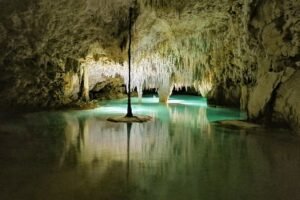
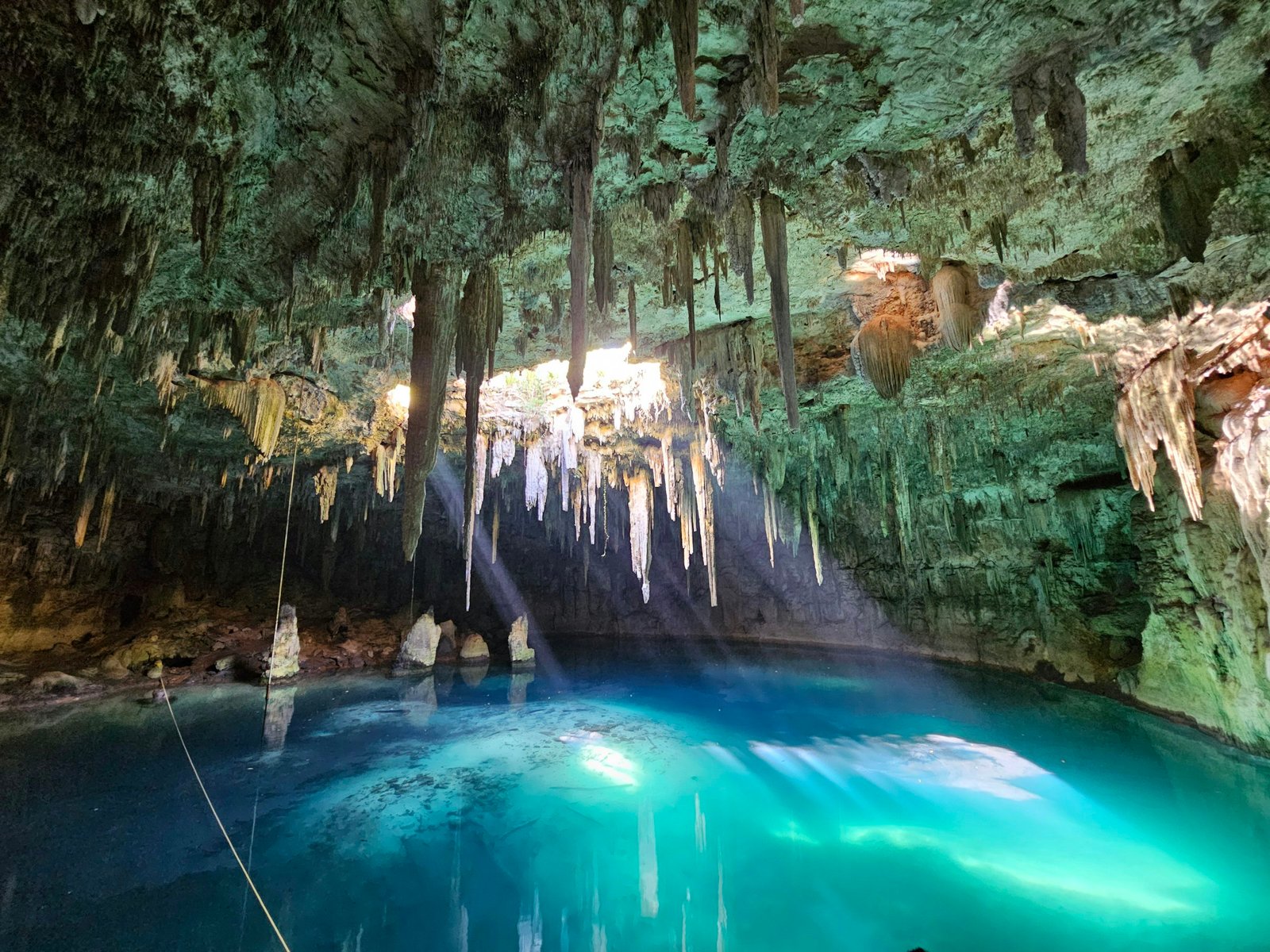
A cenote is a natural sinkhole formed when limestone bedrock collapses, exposing groundwater below. The Yucatán Peninsula sits on porous limestone with almost no surface rivers, so cenotes were historically the main freshwater source for the region — some were also considered sacred by the ancient Maya. Today they range from open, sunlit pools to cave systems you swim or dive through with a guide.
Water clarity and temperature are a big part of the appeal, since rainwater is filtered through limestone before reaching the cenotes. Beyond that, any specific claims about water temperature or visibility should be confirmed with your tour operator, since conditions can vary by cenote and season.
Snorkeling vs. Diving: Which Should You Book?
Most visitors choose between two experience levels:
- Snorkeling — no certification needed, good for families and casual swimmers, usually done in the more open sections of a cenote.
- Diving — for certified divers who want to explore deeper cavern or cave sections, including the famous underwater tunnel systems.
A good example of a tour built around both options is the Cenote Dos Ojos diving and snorkeling tour. Dos Ojos is one of the better-known cenote systems in the area, and this kind of tour is worth considering if you want to compare the two experiences or aren’t sure yet which one you’d prefer. Confirm certification requirements, group size, and included gear directly on the listing before booking.
Combining Cenotes With Other Sights
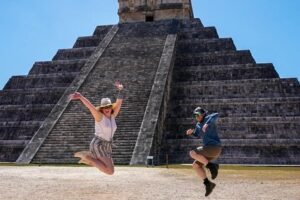
If you’re short on time or don’t want to dedicate a full day to just cenotes, a combo tour is worth a look. The Tulum ruins and cenote combo tour pairs a cenote swim with the Tulum archaeological site, which sits right on the coast and is one of the more accessible ruins in the region since you don’t need a long inland drive to reach it. This kind of pairing works well if you’re trying to fit culture and nature into the same outing rather than booking two separate day trips.
What to Pack and Prepare For
- Biodegradable sunscreen — many cenotes restrict or ban regular sunscreen and bug spray to protect the water. Check the specific policy for your chosen cenote before you go.
- Water shoes — some cenote entry points are rocky or slippery.
- A change of clothes and a dry bag — you’ll be wet, and some sites have limited changing facilities.
- Cash — for entrance fees, lockers, or extras that may not be included in a tour package. Confirm what’s included versus what’s paid on-site with your specific tour.
- Basic swimming comfort — even “easy” cenotes involve swimming in open water, sometimes over areas where you can’t touch the bottom.
Booking Tips
A few practical things to sort out before you commit to a tour:
- Check whether transportation to and from Playa del Carmen is included, since many cenotes are inland and not walkable from a hotel.
- If you’re not a certified diver, make sure you’re booking the snorkeling option rather than assuming diving tours can accommodate you.
- Ask about group size if you’d prefer a quieter, less crowded experience.
- Confirm current pricing, tour duration, and cancellation policy directly with the operator, since these details change and shouldn’t be assumed from general guides.
Cenotes are one of the easiest “must-do” items to build a Playa del Carmen itinerary around, whether you’re squeezing in a single afternoon swim or combining it with a ruins visit. Start by deciding whether you want the diving, snorkeling, or combo-tour route, then confirm the logistical details — transportation, gear, and cost — directly with the tour listing before you book.
Related Tours & Hotels